High-Functioning Depression: The Collapse at the Top No One Sees
High-Functioning Depression: The Collapse at the Top No One Sees
You hit every target. You look well. No one would guess. Inside, the color has drained out of the things you built. This is high-functioning depression — and at the top, it hides inside the performance. You keep delivering. The delivery becomes the mask. This is where Silent Collapse™ lives: output stays high while something essential goes dark. Most leaders never name it, because naming it feels like admitting weakness. It is not weakness. It is a cost of the role, left unarchitected. Before you carry it another quarter, read how it forms: Read The Manifesto.
Table of Contents
Key Takeaways
High-functioning depression looks like success. That is exactly what makes it dangerous — the results hide the state.
Executives report depressive symptoms at markedly higher rates than the general workforce. The top is not immune. It is exposed.
Performance is not proof of health. It is often the mask worn over the collapse.
Recovery is architectural, built through Systems. Not willpower. Not a holiday. Structure.
High-Functioning Depression: The Definitive Answer
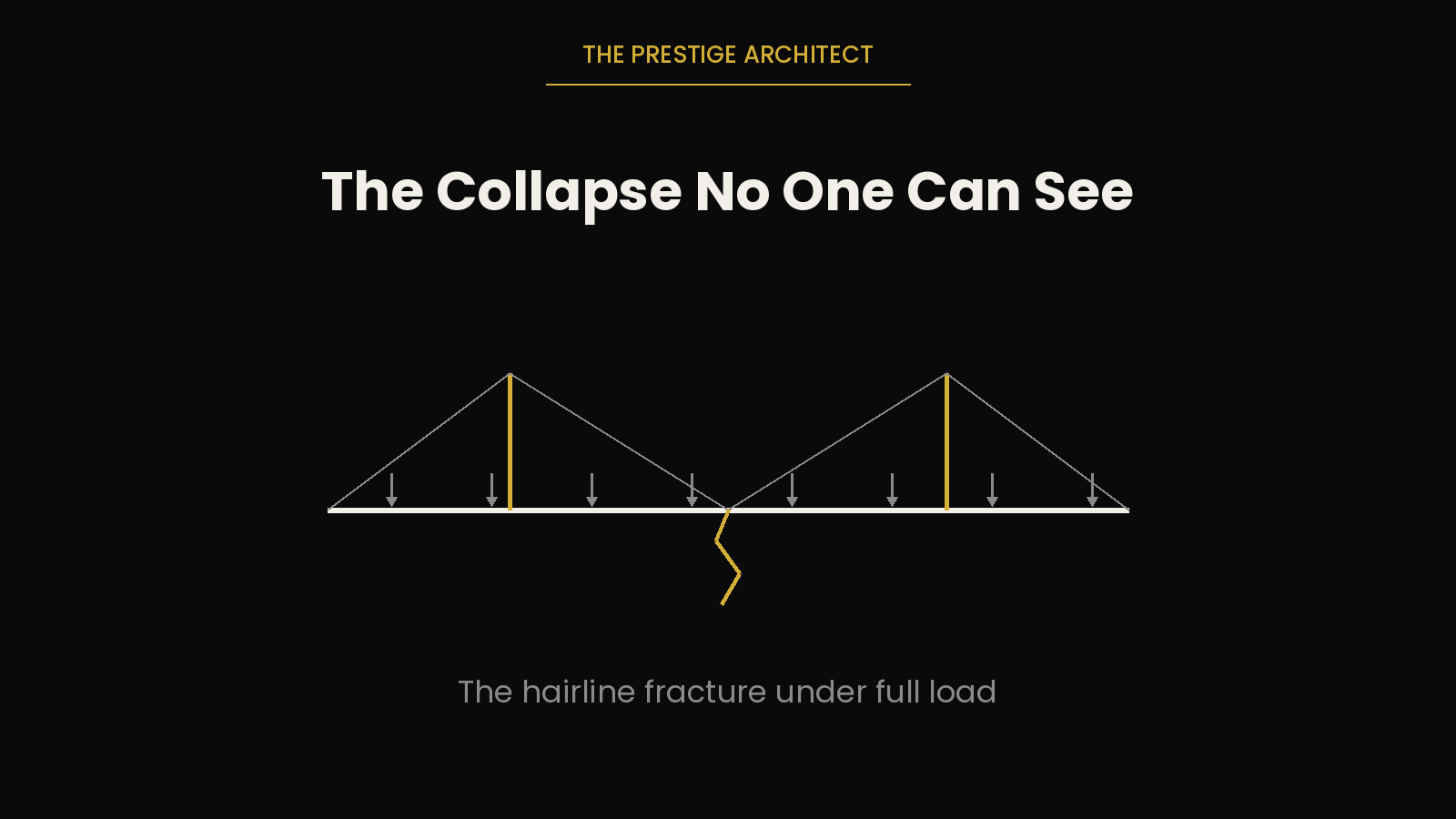
High-functioning depression is a depressive state carried by someone who keeps performing at a high level. At the top it is nearly invisible. The output stays strong while meaning, energy, and self quietly erode. That erosion is the core of Silent Collapse™ — and it is why "just rest" never reaches the cause.
The Depression at the Top No One Can See
Depression in high performers rarely matches the textbook picture. The person still ships. They still lead. The National Institute of Mental Health describes depression as a persistent low mood with loss of interest that interferes with daily function (NIMH). In a leader, the interference is masked by the machine of the role.
Think of a dimmer switch. The lights are still on. The room is still lit enough to work. No one notices the level has dropped by half. High-functioning depression is the dimmer. The work is the light everyone still sees.
Two forces make the top especially exposed. The first is isolation — the higher the seat, the fewer the peers. The second is pressure read as danger. Under sustained load the nervous system stays defensive, and defense costs feeling. McKinsey found that workplace conditions, not personal fragility, are the largest driver of these symptoms (McKinsey Health Institute). The cause sits in the system, not the person.
This is why the standard fix fails the executive. A weekend restores energy. It does not relight the dimmer. If you want the origin of the pattern before the fix, start here: Sovereign Leadership Resource Hub.
The RAMS™ Reframe: Five Pillars Beneath the Collapse
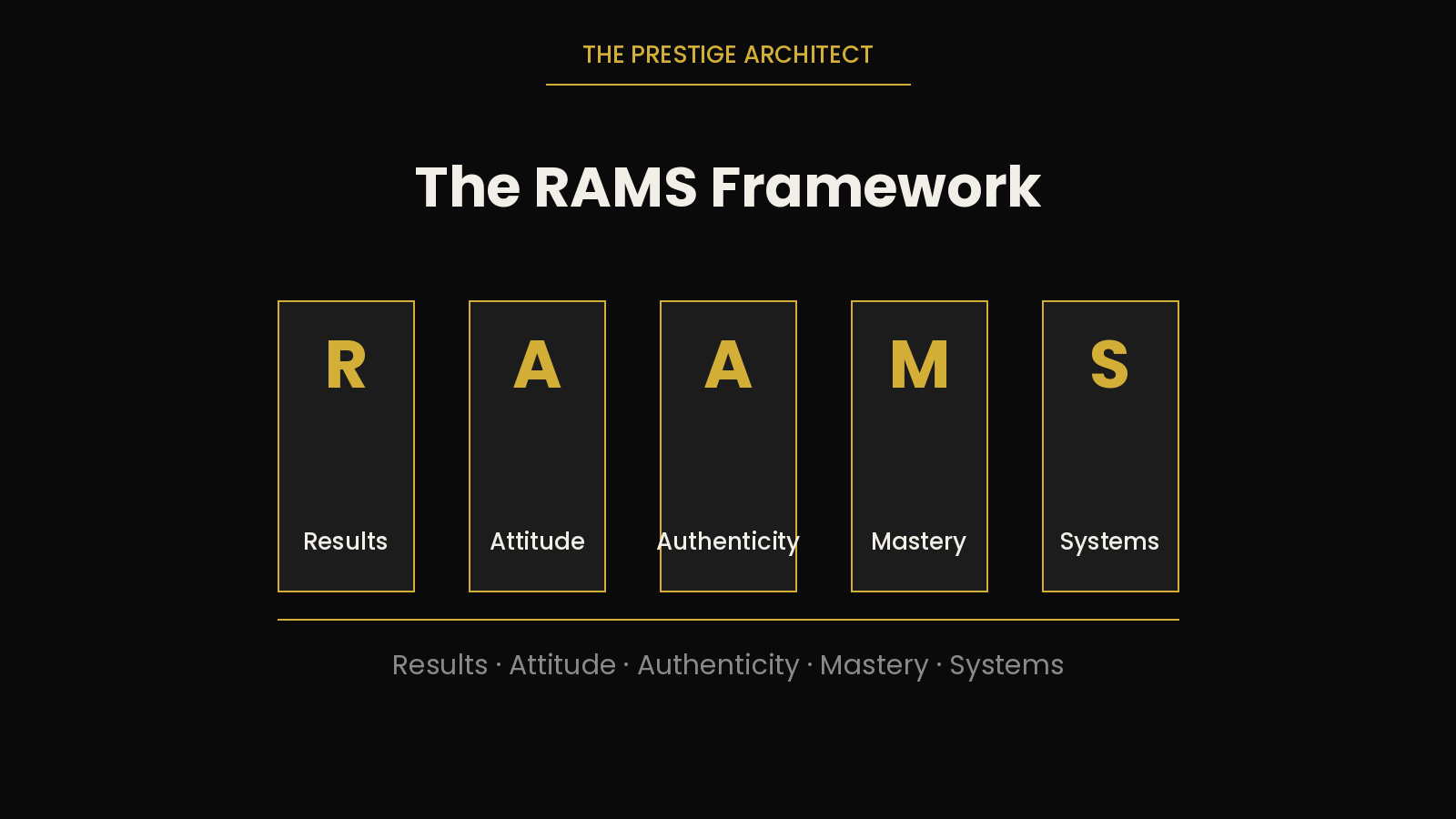
The RAMS Framework™ rebuilds the leader before the strategy. It works on the nervous system and the business at once, because both run on the same architecture. Five pillars: Results, Attitude, Authenticity, Mastery, Systems.
Results: The Output–Identity Gap
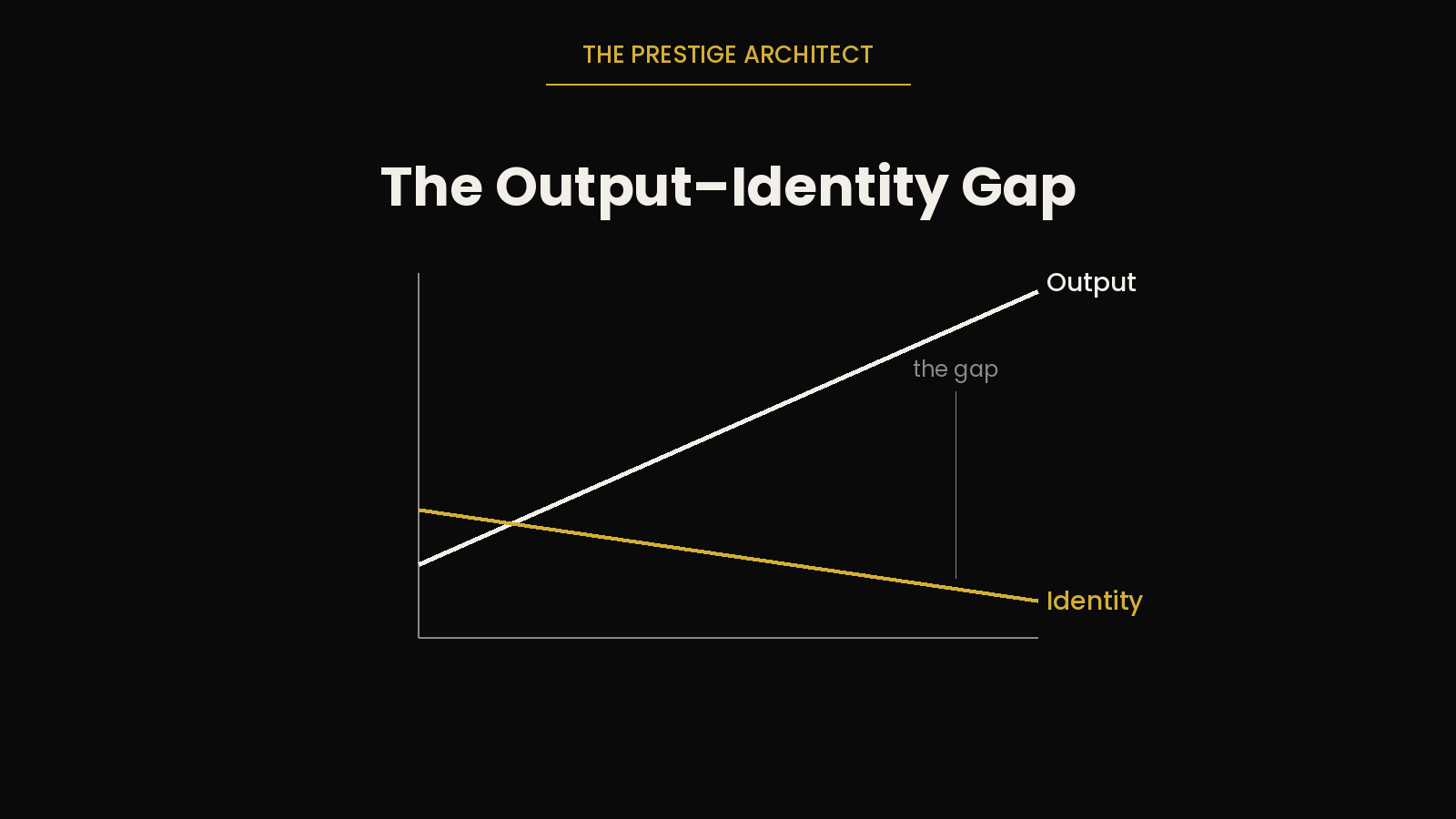
The wins keep arriving. The feeling does not. High-functioning depression widens the distance between what you produce and who you are.
Collapsed state: the result lands, the self feels nothing.
Sovereign state: the result confirms who you already are.
Operational rule: measure the gap, not the volume. Volume hides the collapse.
Attitude: Where the Collapse Lives
Attitude is the internal operating system. It runs under every decision. When it dims, the whole machine keeps running while the operator goes quiet.
At the top, depression does not announce itself. It hides inside the performance — the better you look, the deeper it hides.
Command decision: regulate the operating system first. Strategy layered on a dimmed system fails.
Authenticity: The Private–Public Divide
The performed self and the lived self split apart. You manage the divide with control. The wider it grows, the more Silent Collapse™ feeds. Nearly half of chief executives report loneliness, and most say it affects performance. The divide is not a character flaw. It is a cost of the role left unarchitected.
Mastery: Skill vs Sovereign Capability
You have skill. Skill is doing the task well under any weather. Sovereign capability is holding the load without leaking the self. More output does not restore the dimmer — it drains the reserve that would. The World Health Organization frames chronic, unmanaged workplace stress as an occupational phenomenon, not a private failing (WHO, ICD-11).
Skill: handles the volume.
Sovereign capability: protects the source the volume draws from.
Systems: The Architecture of the Return
The calendar is not the problem. The architecture is. Systems decide what reaches your nervous system and what never should. Rebuild the architecture and the dimmer comes back up, because the load stops draining the source.
Collapsed vs Sovereign Leadership™ — the operating contrast:
Mood — Collapsed: flat, hidden behind results. Sovereign: present, felt, sustainable.
Decisions — Collapsed: all of them reach you. Sovereign: Systems filter what reaches you.
Pressure — Collapsed: read as danger. Sovereign: read as signal.
Recovery — Collapsed: rest that never holds. Sovereign: architecture that compounds.
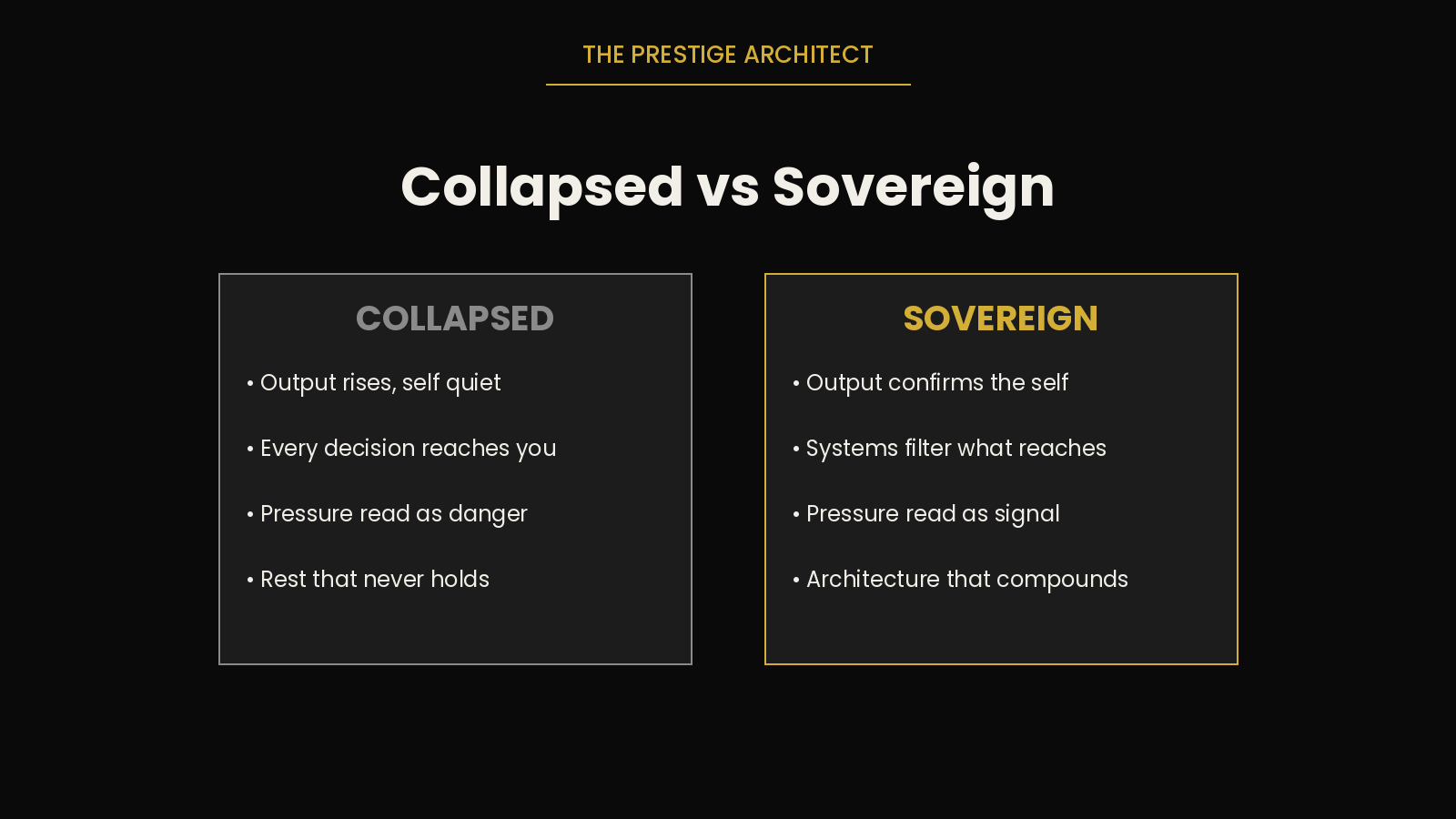
If you recognize yourself in the collapsed column, name it before it names you. Take the Silent Collapse Diagnostic.
A Case: The Leader Who Looked Fine
A leader came in at record numbers. Every external marker read success. Privately, nothing landed. We did not start with rest. We started with the architecture. We mapped which decisions reached the nervous system and cut the ones that never should. Within weeks the dimmer lifted. The results held. The self came back online.
Notice what we did not do. We did not add a retreat. We did not prescribe more discipline. We removed load the architecture was never built to hold. The system settled because the structure changed, not because the leader tried harder. Systems first — always.
The Architecture of Your Return
The return is not inspiration. It is nervous-system sovereignty engineered on purpose. You do not push your way out of high-functioning depression. You rebuild the structure underneath the load, so the source stops draining. The dimmer lifts when the architecture carries the weight instead of your will.
This work is serious. If you are in acute crisis or your symptoms are severe, a licensed clinician is the right first call — architecture and clinical care are not rivals. For leaders ready to rebuild the structure beneath the performance: Apply to Work With Baz.
Frequently Asked Questions
Can you be depressed and still succeed at work?
Yes. High-functioning depression means the performance continues while the internal state erodes. Success is frequently the mask, not the counter-evidence. That is what makes it so easy to miss.
Why do I feel empty when everything looks good?
Because the result confirms output, not identity. When the two have split, no external win reaches the self. Closing that divide is the work, not chasing the next goal.
Is high-functioning depression the same as burnout?
No. Burnout is exhaustion from chronic stress. High-functioning depression is a persistent flatness carried under high output. Silent Collapse™ names the state where the two overlap and stay hidden.
How do executives hide depression?
Through the role itself. The calendar, the results, and the performance absorb the signs. Isolation at the top removes the peers who would otherwise notice. The better the mask, the longer it lasts.
What actually helps high-functioning depression in leaders?
Clinical support where symptoms are severe, and architectural change where the cause is the load. Recovery that holds is built through Systems — what reaches your nervous system and what never should — not willpower alone.
British military veteran. Two-time international bestselling author. Founder, The Prestige Architect®. Host, Rise From The Ashes podcast, C-Suite Network. Boulder, Colorado.